
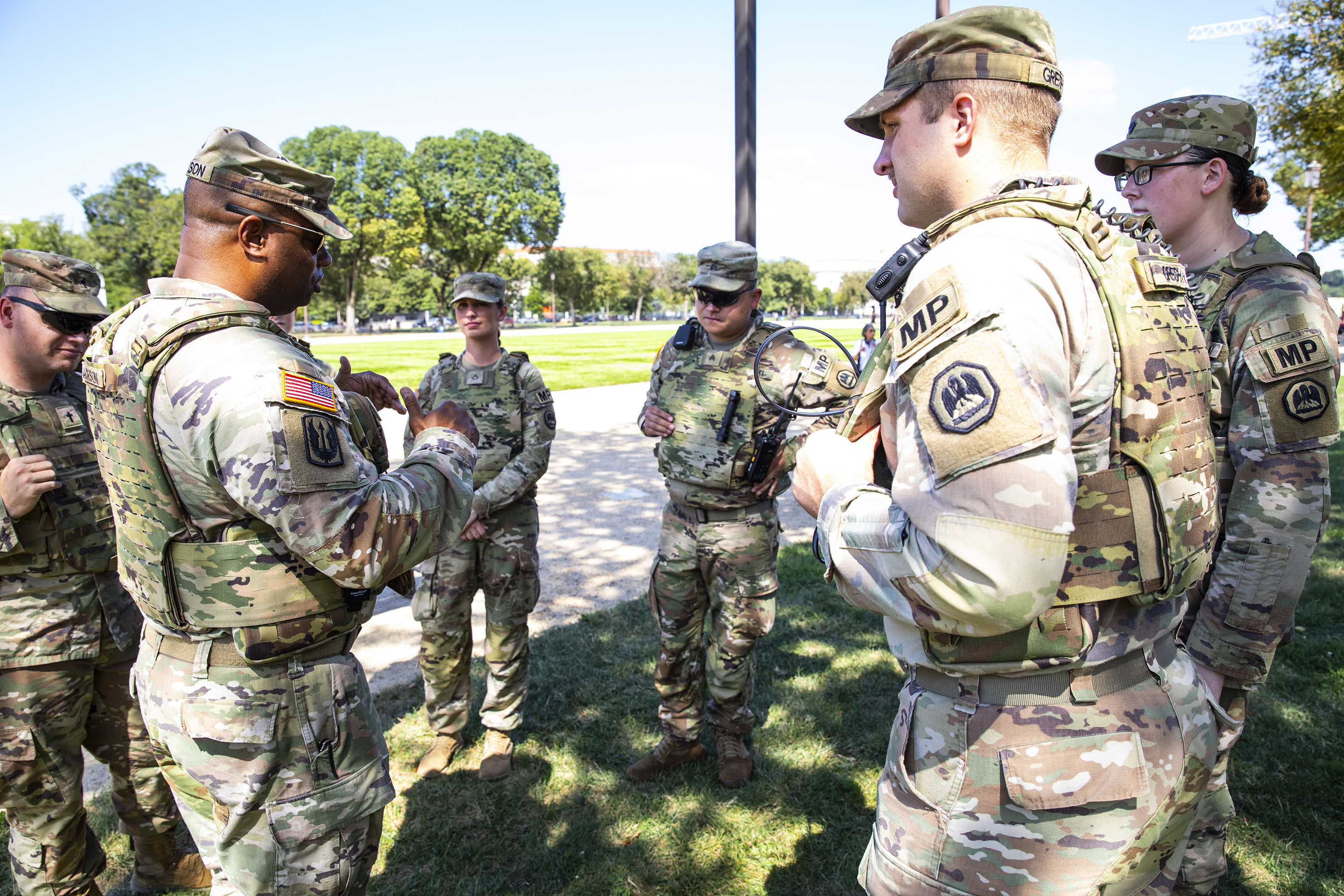
Tear gas, car accidents, non-agents boxed in, shot at. How far can a president go when deploying military inside U.S. cities? The core issue now motions towards the Supreme Court. Emergency orders in Chicago and related appellate fights set the stage for a high-stakes ruling.
In Chicago, a federal judge extended a block on a federal National Guard deployment while higher courts sort out the limits of executive power. Civil-liberties groups argue the Constitution and statute require strict triggers; the administration argues existing laws already authorize limited, temporary deployments to restore order. The Supreme Court has been urged to keep the block in place until it decides the merits.

Out West, the Ninth Circuit just revisited a ruling seen as expanding presidential latitude. The panel’s rethink underscores how unsettled the terrain is: courts are wrestling with when, if ever, federal troops can police civilians over the objections of governors and mayors. What the justices choose, bright lines or a flexible, case-by-case test will shape responses to future protests, disasters, and election-season unrest.
A ruling too broad would normalize the action of federal troop deployment in domestic crises (or as we have seen, in the absence thereof) and shift power towards Washington. A narrow reading would keep civilian policing within the power of states and localities, reserving the act of troop deployment for extraordinary circumstances.