
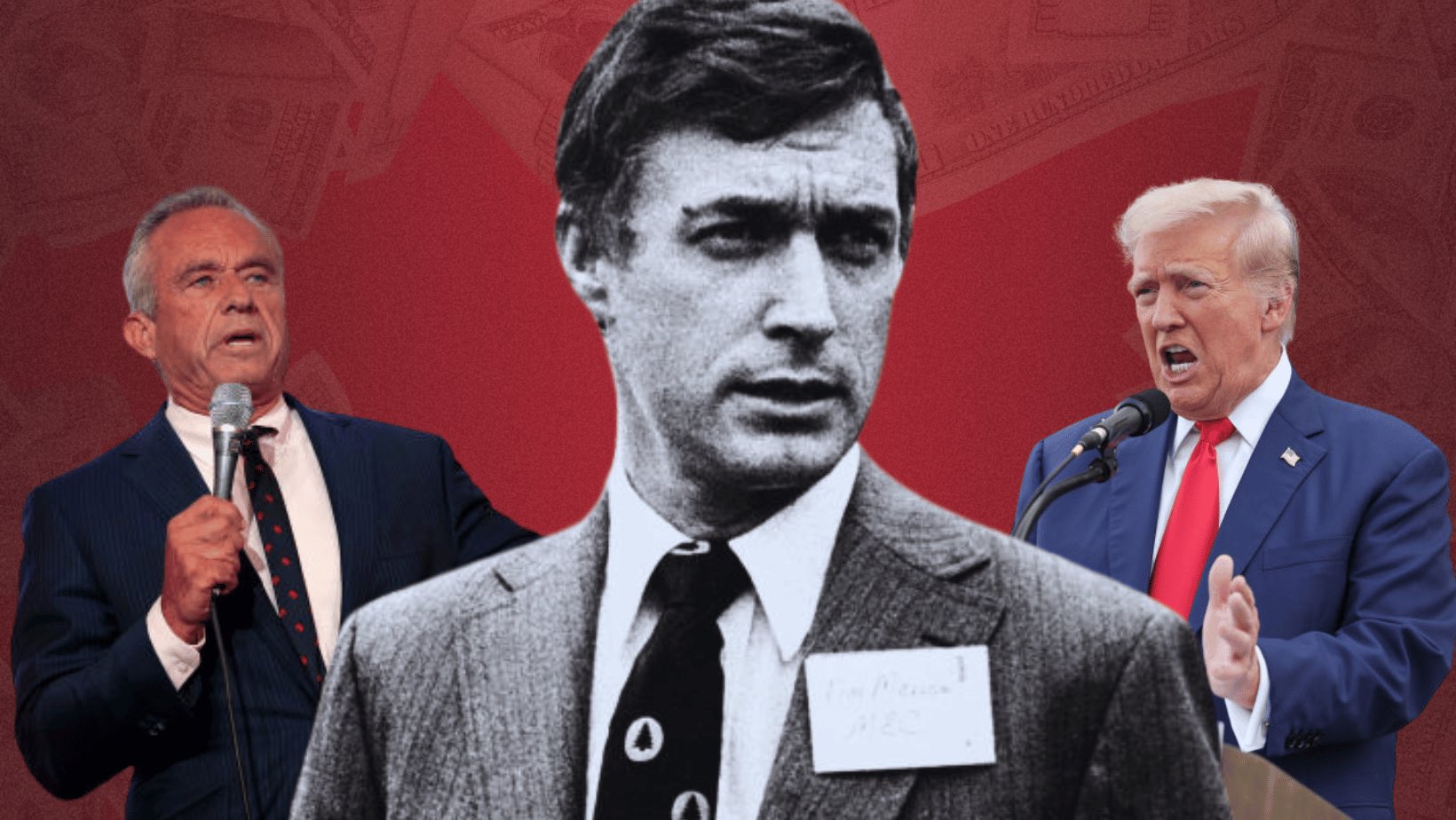
As of 7:45 AM PDT on Saturday, October 25, 2025, a surprising revelation has emerged amid the ongoing U.S. government shutdown: Timothy Mellon, a reclusive billionaire heir to the Mellon banking fortune, is the anonymous donor who contributed $130 million to ensure military troops receive their pay. This unprecedented private donation, accepted by the Pentagon on October 24, has sparked widespread curiosity about Mellon’s identity, motives, and potential implications.
Timothy Mellon, born in 1942, is an 83-year-old businessman and philanthropist, grandson of Andrew Mellon, the former Treasury Secretary and founder of the Mellon banking empire. With a net worth tied to the family’s estimated $14.1 billion fortune, Mellon graduated from Yale University and briefly attended Yale Law School before earning a master’s in city planning. He gained prominence in the 1970s by founding Guilford Transportation Industries, but he has since lived a low-profile life in Wyoming. Known for occasional high-profile donations, such as funding Amelia Earhart search efforts, Mellon has a reputation for eclectic giving—though his recent political leanings have drawn significant attention.
Mellon’s connection to Donald Trump and the Republican Party has deepened in recent years. He donated over $165 million to Trump’s 2024 presidential campaign, making him the largest single donor to the president’s reelection efforts. His admiration for Trump was publicly expressed in a 2020 Bloomberg interview, where he praised the president’s promise-keeping. Beyond Trump, Mellon has supported other conservative figures, including Robert F. Kennedy Jr. in 2024, and has a history of backing right-leaning causes, such as funding border wall construction. This aligns him closely with the Republican agenda, particularly its emphasis on military and national security priorities.
The $130 million donation, announced by Trump on Thursday and confirmed by the New York Times, addresses a critical gap caused by the government shutdown, which has left approximately 1.3 million active-duty troops at risk of delayed pay. Mellon’s decision may reflect a desire to support military personnel during a political stalemate, possibly motivated by patriotism or a strategic move to bolster his public image. Given his wealth and past philanthropy, this act could also serve as a statement against perceived government inefficiency, a theme resonant with Trump’s rhetoric.
While the Pentagon’s acceptance of the donation is legally permissible under its general gift authority, it raises red flags. Legal experts note that private funding of federal operations could create conflicts of interest, especially given Mellon’s substantial political investments in Trump’s campaign. Questions linger about whether this donation might influence future policy decisions or secure favorable treatment for Mellon’s business interests. The lack of transparency around donor expectations—coupled with Trump’s refusal to name Mellon until leaks surfaced—fuels speculation of a quid pro quo. As the shutdown persists, this unprecedented act of private generosity may prompt closer scrutiny of the boundaries between wealth, politics, and public service.
This story continues to unfold, with Mellon’s motives and the broader implications of his donation likely to dominate headlines in the days ahead.