
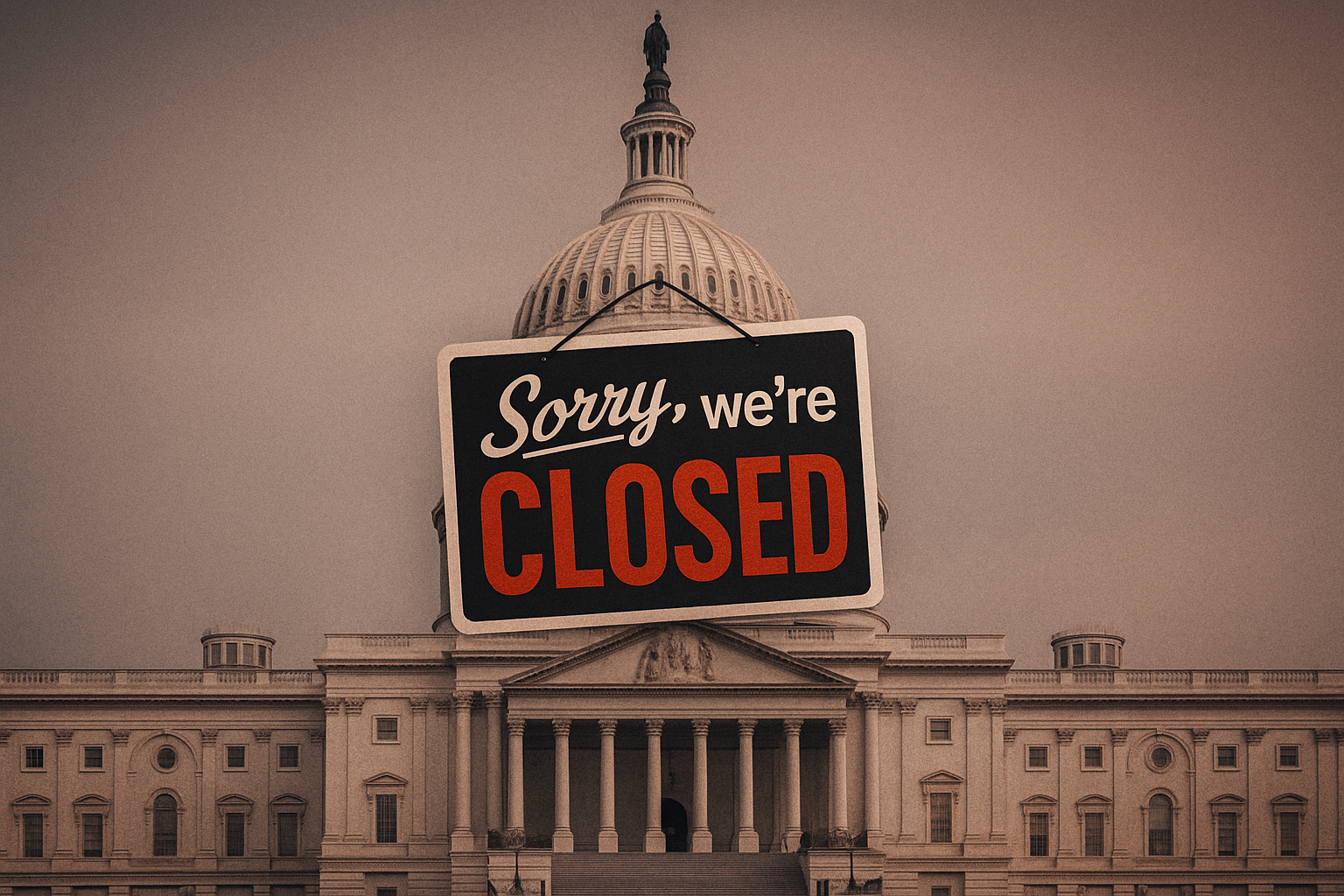
USA — Shutdowns don’t kill every program. “Mandatory” benefits like Social Security checks continue. The pain shows up where agencies need annual appropriations, where staff get furloughed, and where contingency funds run dry. History and the current playbooks tell us who loses most.
1) Families using SNAP (food aid): Multiple states say November SNAP benefits may not load if the shutdown continues. USDA previously told states contingency funds could keep operations going, but new guidance has been inconsistent. Expect confusion at the register and longer lines at food pantries for lower to middle class Americans.
2) Federal workers and contractors: Hundreds of thousands miss paychecks. “Essential” workers still report to duty without pay; others are furloughed. Contractors often do not get back pay.
3) Patients and consumers: With large HHS furloughs in contingency plans, expect slower responses, delayed guidance, and trimmed inspections. FDA’s routine work and grant processing slow; NIH research admin is curtailed.
4) Small businesses and borrowers: Processing of SBA loans and some permits stalls or slows. That can ripple into hiring and cash flow.
5) Travelers: TSA and air traffic controllers are “essential,” so flights continue, but morale and staffing stress rise when pay stops. Back-office functions and training slip.
The politics: Hatch Act alarms
Several federal agency websites and emails have posted or circulated messages blaming Democrats for the shutdown. Ethics experts say using official resources for partisan messaging can violate the Hatch Act (The Hatch Act, in plain terms, is a federal law that restricts certain political activities of federal employees to keep government functions nonpartisan and protect employees from political coercion. In simple terms, it means federal employees cannot use their official authority to influence election outcomes and are limited in how they can engage in political activities, even on social media while on duty.), which bars most executive-branch employees from political activity in their official capacity. Complaints have been filed; enforcement is complicated while watchdogs are furloughed.
Bottom line
On Nov. 1, the sharpest pain lands on low-income households, unpaid government workers, and anyone who needs routine federal service. Social Security checks still arrive, but much else slows or stops. If agencies keep using public platforms to assign partisan blame, expect a second front: ethics investigations into potential Hatch Act violations once watchdogs reopen. The fix remains simple: pass a clean funding bill.