
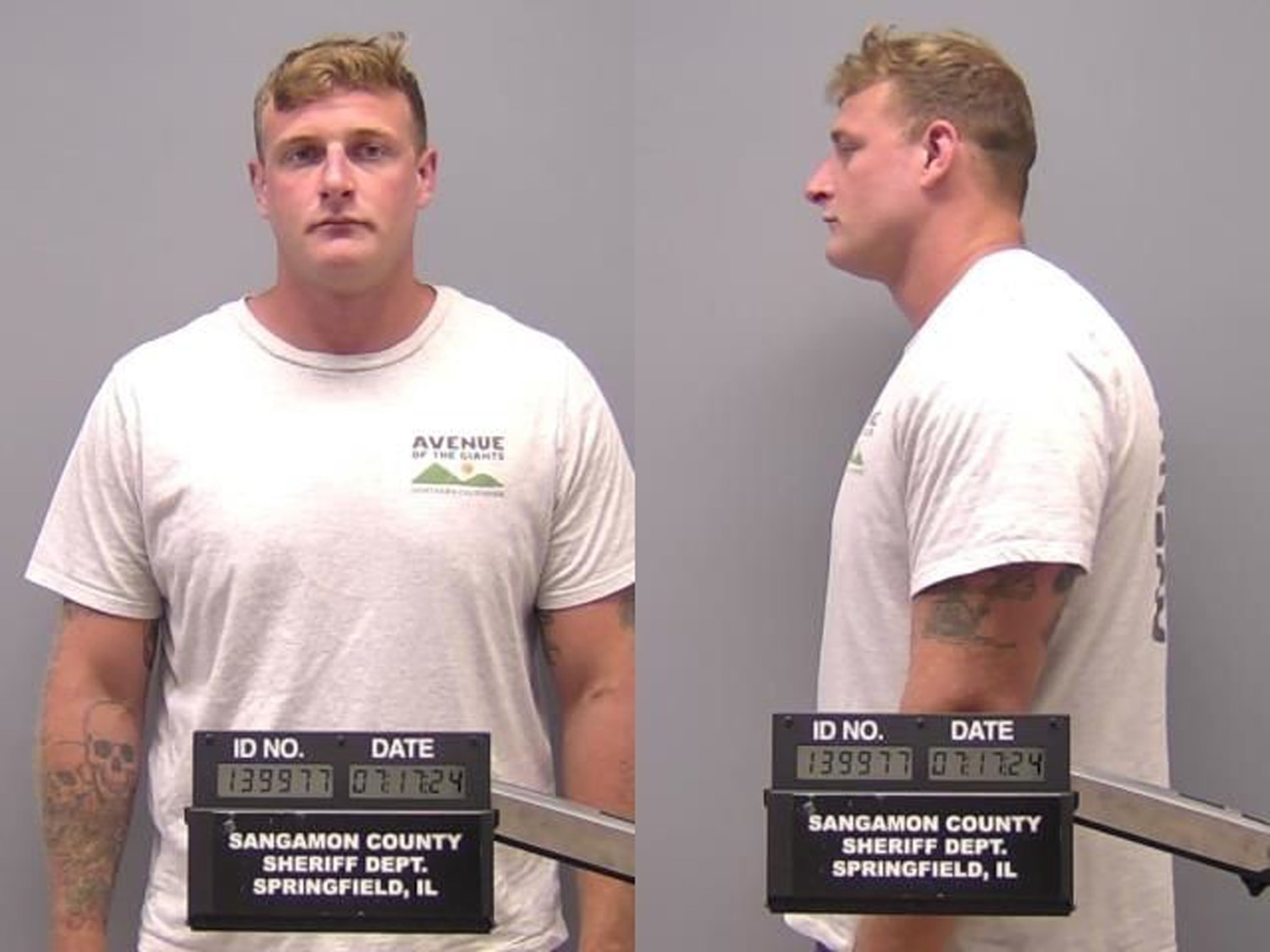
SPRINGFIELD, Ill. — Former Sangamon County sheriff’s deputy Sean Grayson has been convicted of second-degree murder for fatally shooting Sonya Massey, 36, inside her home after she called 911 to report a suspected prowler on July 6, 2024. Jurors reached the verdict on Oct. 29, 2025. Sentencing is scheduled for Jan. 29, 2026, with a possible range of 4 to 20 years or probation under Illinois law.
Prosecutors said body-camera video recorded by Grayson’s partner showed Massey telling officers “Don’t hurt me,” handling a pot of hot water at the stove, and then Grayson threatening to shoot her before firing three times. Grayson testified that he feared being scalded and believed he was in danger. The jury did not convict on first-degree murder but found him guilty of second-degree murder.
Charges and trial. Grayson was initially charged with three counts of first-degree murder, as well as aggravated battery with a firearm and official misconduct. The trial was moved to Peoria County due to pretrial publicity. He pleaded not guilty to all charges.
Autopsy and video evidence. The Sangamon County coroner ruled Massey’s death a homicide from a gunshot wound to the head. State police released body-camera footage on July 22, 2024.
Grayson’s poor history in law enforcement
Reporting and records released after the shooting show a troubled professional background:
Army discharge for “serious misconduct.” Prior to policing, Grayson was discharged from the U.S. Army for serious misconduct.
Multiple DUIs before becoming a deputy. Court records show DUI convictions in 2015 and 2016.
Frequent job-hopping and performance issues. In roughly four years, Grayson worked at six police departments in central Illinois. Logan County records cited concerns about policy violations, report accuracy, and professionalism during a high-speed pursuit review; supervisors discussed credibility problems and considered firing him. He later resigned and joined Sangamon County.
Some are now asking how long of a sentence Grayson will actually serve, considering the lenient history of time served for law enforcement officials.