
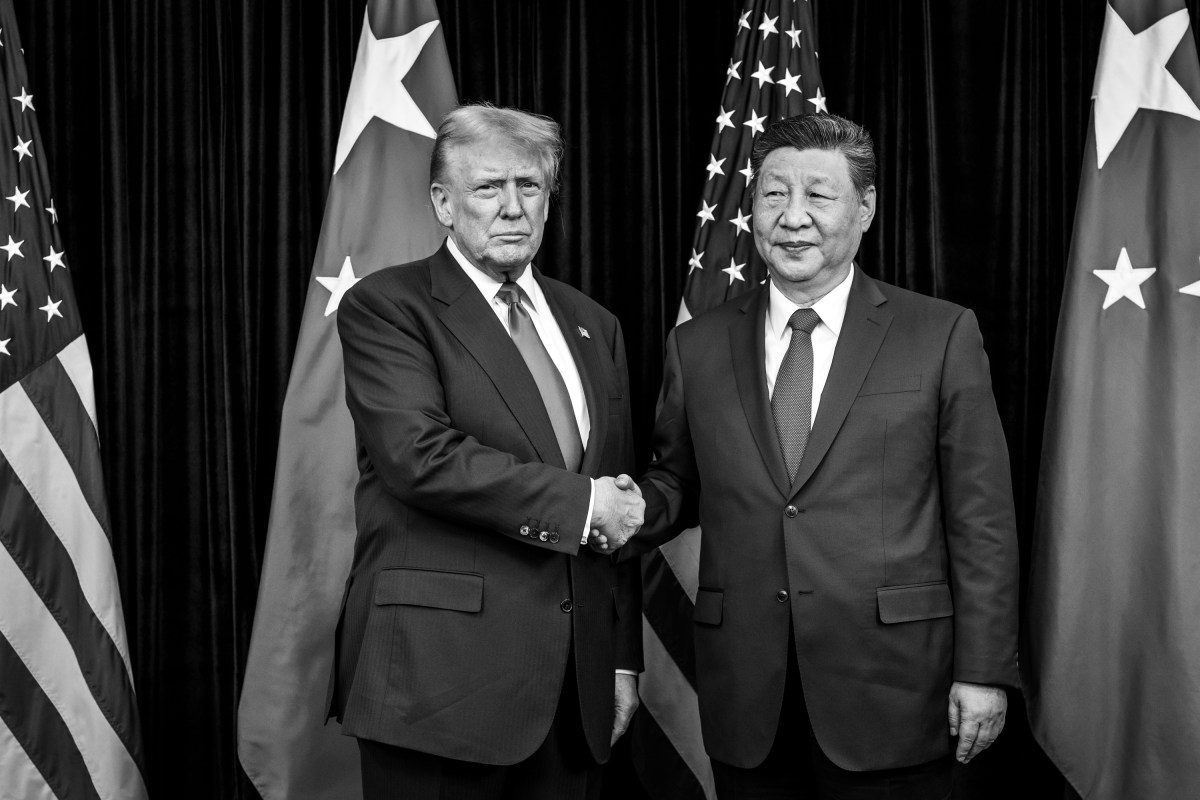
BUSAN, South Korea — U.S. President Donald Trump wrapped a five-day Asia trip with a meeting with Chinese President Xi Jinping in Busan, South Korea, that produced a tactical truce on tariffs and pledges of cooperation on rare earths, fentanyl controls, and soybeans, according to contemporaneous reporting from Reuters. The agreement cooled tensions but left core technology disputes unresolved.
Japan (Oct. 27–29). In Tokyo, Trump met Japan’s new prime minister Sanae Takaichi. The two sides highlighted a framework to secure critical minerals and rare earths and to deepen security coordination. Japan also signaled additional purchases of U.S. goods while pushing back on a U.S. request to broadly ban Russian energy imports, according to Reuters and Washington Post. Toyota later clarified it had not explicitly promised a new $10 billion U.S. investment touted by Trump.
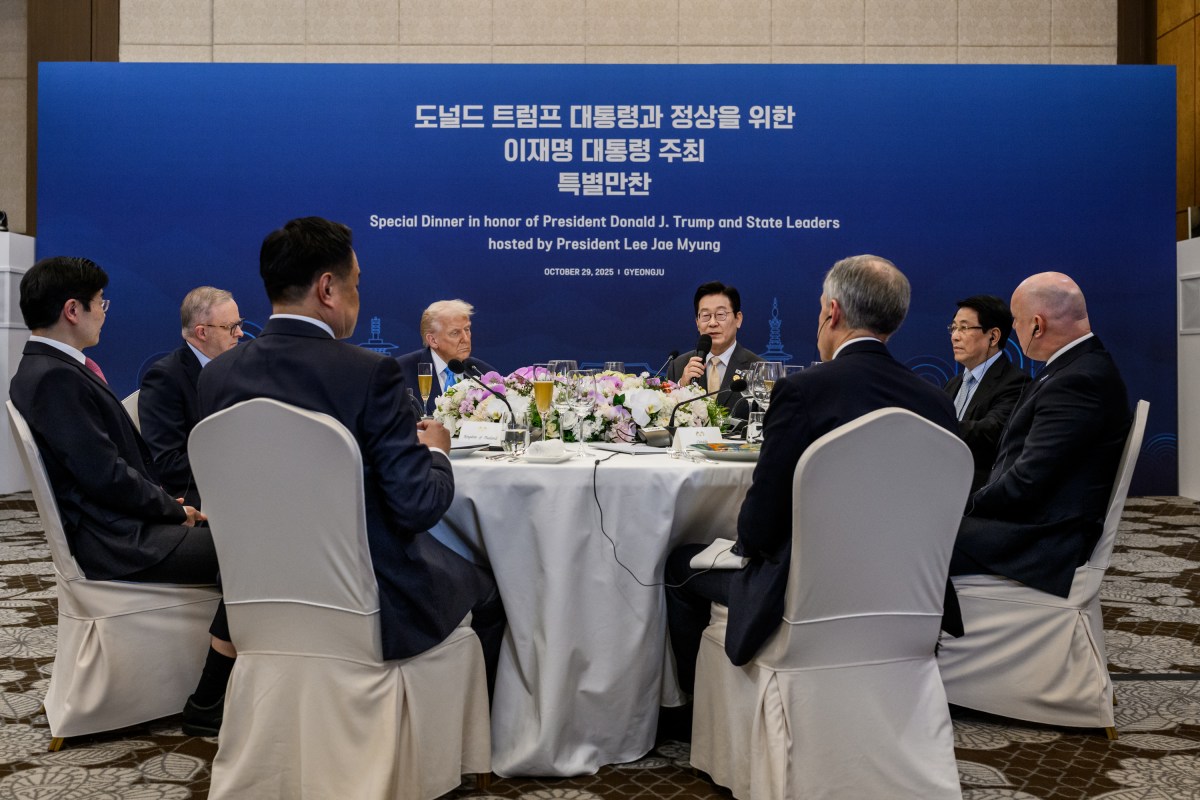
South Korea (Oct. 29–31). In meetings with President Lee Jae-myung, the White House billed trade progress and a path to larger deals, while North Korea punctuated the visit with missile activity typical of summit-period signaling, the AP reported. Optics in Seoul were deliberately warm as both sides sought momentum ahead of the Trump–Xi session.
Trump–Xi in Busan (Oct. 30). The leaders announced a limited tariff reduction package and gestures on rare-earth supply, fentanyl-precursor enforcement, and soybean purchases. Markets treated it as a cooling-off pause, not a structural fix. Subsequent reporting underscored that export controls, chips, and data remain the main friction points.
No China stop on this trip. Trump did not travel to mainland China. The Xi meeting occurred in South Korea on the APEC sidelines. Plans for reciprocal leader visits in 2026 were discussed informally but not announced as firm commitments.
CHANGED: Tone and tariffs edged down; allies banked supply-chain language and defense symbolism; Seoul claimed traction on trade.
NOT CHANGED: U.S.–China tech controls, AI and data restrictions, and broader strategic mistrust. Analysts described the outcome as an “amazing” meeting by Trump’s account, but a fragile truce by independent assessments.
WHO WON THE TARIFF PAUSE?
Multiple analyst reads argue Beijing gained more near-term relief than Washington secured structural concessions. Reuters Breakingviews assessed the Busan outcome as a tactical cooling that delays a full reckoning on trade and leaves tech controls intact, while still delivering tariff relief and space on sanctions for China. The Washington Post likewise framed the result as a short-term thaw that keeps core disputes unresolved. In short: tariffs down a bit, technology walls still up—a configuration many analysts say tilts toward Beijing in the near term even if the broader rivalry continues.
CONTEXT FOR JAPAN TIES: Tokyo framed minerals cooperation as insurance against export disruptions and as part of a wider effort to diversify LNG and manufacturing inputs, even as it resists a full break with some Russian energy flows. The alliance signaling dovetailed with Japan’s ongoing defense build-up. North Korean testing activity around high-level visits is a well-established pattern intended to raise the strategic price of any U.S.–South Korea alignment steps. That persisted this week during Trump’s stop.
BOTTOM LINE: The trip delivered manageable optics and limited economic relief, especially on tariffs and commodities, while postponing fights over technology and security architecture. Allies welcomed predictability; none of the structural disputes were settled.