
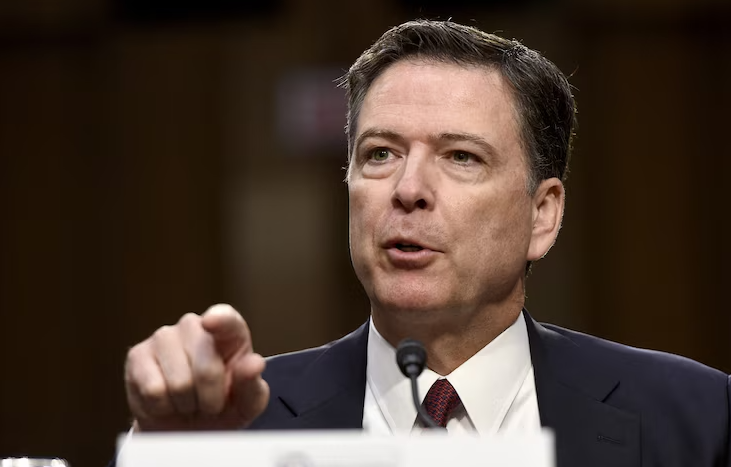
ALEXANDRIA, Va. — A federal judge has thrown out the criminal indictments against New York Attorney General Letitia James and former FBI Director James Comey, ruling that the Trump-appointed prosecutor who brought the cases, Lindsey Halligan, was never lawfully put in the job.
Senior U.S. District Judge Cameron McGowan Currie found that Halligan’s appointment as interim U.S. attorney for the Eastern District of Virginia violated federal vacancy law (Section 546) and the Constitution’s Appointments Clause, which generally require Senate-confirmed U.S. attorneys or properly appointed interim stand-ins.
Because Halligan was unlawfully installed, Currie ruled that everything she did in that role — including presenting the cases to a grand jury and signing the indictments — had to be set aside. The judge dismissed both indictments without prejudice, meaning the Justice Department could, in theory, refile the charges using a lawfully appointed prosecutor.
What the cases were about
Comey had been charged with making false statements to Congress and obstructing a congressional proceeding, tied to his 2020 Senate testimony about the FBI’s Trump-Russia investigation. James faced bank-fraud–related charges, accused of misleading a lender in a Virginia real-estate deal. Both pleaded not guilty and called the cases political payback pushed by Donald Trump and his allies.
Currie’s ruling does not say whether Comey or James actually did anything criminal. It says the person leading the prosecutions had no lawful authority to act, so the cases can’t go forward in their current form.
Because of time limits in federal law, legal analysts note that Comey is likely shielded from being charged again on the same conduct, while the clock has not fully run out on the allegations against James, leaving a narrow opening for a new indictment. For now, though, both walk away with the charges dismissed.
A rebuke of “weaponized” appointments
Halligan, a former insurance lawyer who later joined Trump’s legal team in a case brought by then–special counsel Jack Smith, was elevated to the top prosecutor job in Virginia after her predecessor was pushed out amid pressure to indict Trump’s political rivals.
Currie said the Justice Department’s reading of the vacancies law would let an administration bypass the Senate indefinitely by stacking temporary appointees — exactly the kind of end-run the Appointments Clause is designed to prevent.
In a twist, Currie even cited an earlier opinion by Judge Aileen Cannon, who dismissed Jack Smith’s classified-documents case against Trump on the theory that Smith himself was unlawfully appointed as special counsel. Currie used that case as another example of how fights over prosecutor appointments have become central to modern separation-of-powers battles.
Vindictive or just invalid?
Lawyers for Comey and James had also argued that the prosecutions were “vindictive” and politically motivated, saying Trump was using the Justice Department to punish enemies like the FBI director who oversaw the Russia probe and the state attorney general who won a major civil fraud case against him.
Currie did not formally decide the “vindictive prosecution” claim. Instead, she stopped at the threshold issue: because Halligan was not lawfully in office, the court never reached the question of motive.
Still, the ruling is a major blow to Trump’s effort to criminally pursue opponents through hand-picked prosecutors. It reinforces a basic rule-of-law idea: even presidents who want to “hit back” at their critics have to follow the Constitution when they appoint the people who wield criminal power.
The Justice Department has not yet said whether it will appeal Currie’s decision or attempt to seek new charges against James with a properly appointed U.S. attorney. For now, both high-profile cases are off the books — not because jurors heard the evidence, but because the prosecutor was never supposed to be there in the first place.